•1926 Winnie-The Pooh by A. A. Milne
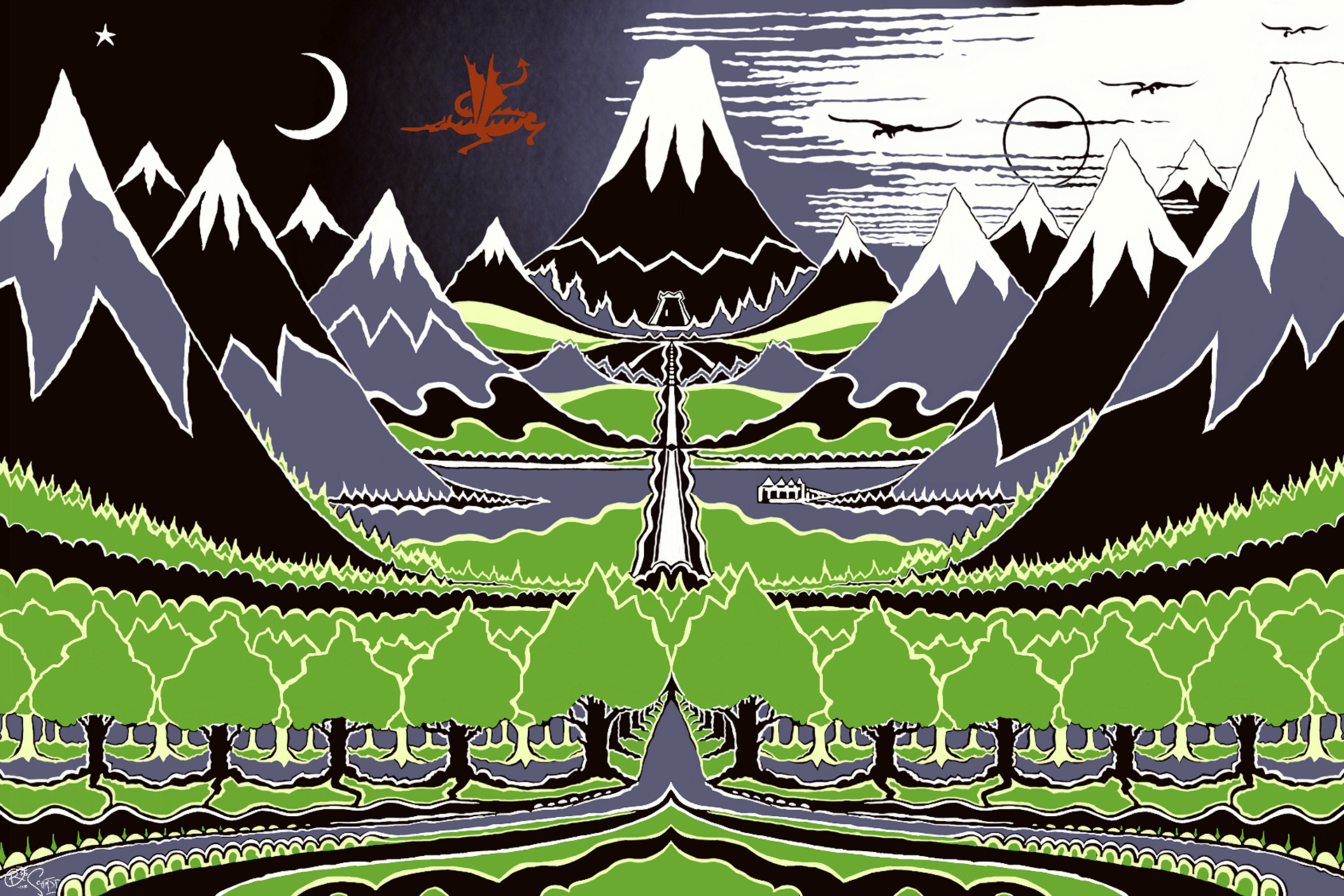
•1937 The Hobbit by J.R.R. Tolkien
•1941 First children’s paperback books published
•1950 The Lion, the Witch, and the Wardrobe by C.S. Lewis
•1964 Charlie and the Chocolate Factory by Roald Dahl
•1997 Harry Potter and the Sorcerer’s Stone by J. K. Rowling
•1904 play and 1911 novel by James Barrie
•Major theme: the conflict between the innocence of childhood and the responsibility of adulthood
•Traditionally in the play, a woman plays the part of Peter Pan and an actor plays both Mr. Darling and Captain Hook
•1902 by Edith Nesbit
•Fantasy book that expanded into a trilogy
•Has never been out of print since its initial publication
•Direct influence on P. L. Travers, Edward Eager, Diana Wynne Jones, C. S. Lewis, and J. K. Rowling
•1900 by L. Frank Baum
•Was not predicted to be a success
•Was published when the manager of the Chicago Grand Opera House committed to making it into a musical stage play to publicize the novel
•Influenced by the stories of the Brothers Grimm and Hans Christian Andersen, as well as Alice’s Adventures in Wonderland

- 1872 fantasy novel by George MacDonald
- MacDonald was a Scottish author, poet, and Christian Minister. He was pioneering figure in the field of fantasy and was the mentor of Lewis Carroll
- Best remembered for his fairy tales, but he also wrote poetry and nonfiction
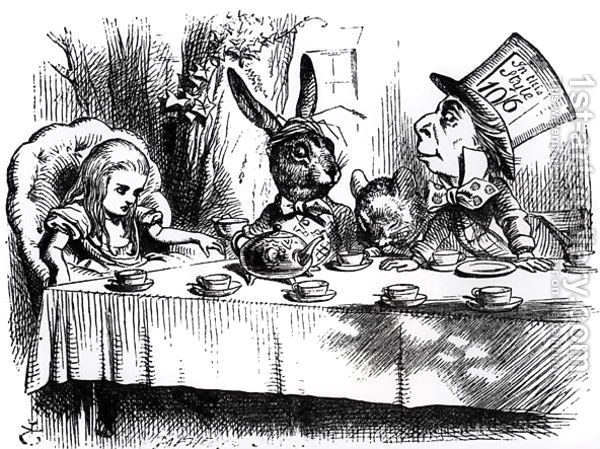
- Written in 1865 by Lewis Carroll
- First English masterpiece for children
- The founding book in the development of fantasy fiction
- John Tenniel became one of the first famous children's illustrators