Tuesday, February 17, 2015

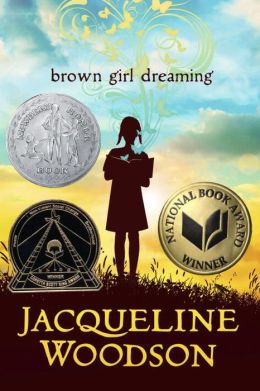
Coretta Scott King Award

Information about the Coretta Scott King Award


The Coretta Scott King Book Awards are given annually to outstanding African American authors and illustrators of books for children and young adults that demonstrate an appreciation of African American culture and universal human values. The award commemorates the life and work of Dr. Martin Luther King, Jr., and honors his wife, Mrs. Coretta Scott King, for her courage and determination to continue the work for peace and world brotherhood.

The Awards are given in author and illustrator categories; honor recipients may also be named. Both the Author and Illustrator Winner recipients receive a plaque and $1,000. The John Steptoe Award for New Talent is occasionally given for young authors or illustrators who demonstrate outstanding promise at the beginning of their careers. Steptoe winners receive a plaque.

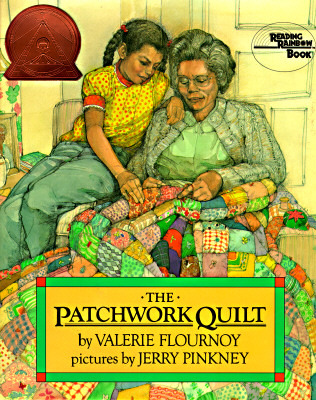
1970 Winner (First Year of the Award)


2015 Winner

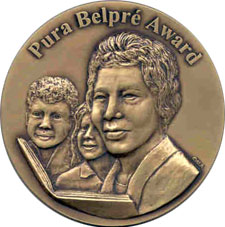
Pura Belpre Award

Information about the Pura Belpre Award


The Pura Belpré Award, established in 1996, is presented to a Latino/Latina writer and illustrator whose work best portrays, affirms, and celebrates the Latino cultural experience in an outstanding work of literature for children and youth. It is co-sponsored by the Association for Library Service to Children (ALSC), a division of the American Library Association (ALA), and the National Association to Promote Library and Information Services to Latinos and the Spanish-Speaking ( REFORMA), an ALA affiliate.

The award is named after Pura Belpré, the first Latina librarian at the New York Public Library. As a children's librarian, storyteller, and author, she enriched the lives of Puerto Rican children in the U.S.A. through her pioneering work of preserving and disseminating Puerto Rican folklore.

The award is now given annually. It was given as a biennial award from 1996 through 2008.

1996 Winner (First Year of Award)


2015 Winner

Orbis Pictus Award for Outstanding Nonfiction for Children

Information about the Orbis Pictus Award

The NCTE Orbis Pictus Award was established in 1989 for promoting and recognizing excellence in the writing of nonfiction for children. The name Orbis Pictus, commemorates the work of Johannes Amos Comenius, Orbis Pictus—The World in Pictures (1657), considered to be the first book actually planned for children.

Although only one title is singled out for the award each year, up to five Honor Books are also recognized. Eight additional recommended books can be named.

Each nomination should meet the following literary criteria:

  • Accuracy—facts current and complete, balance of fact and theory, varying point of view, stereotypes avoided, author's qualifications adequate, appropriate scope, authenticity of detail
  • Organization—logical development, clear sequence, interrelationships indicated, patterns provided (general-to-specific, simple-to-complex, etc.)
  • Design—attractive, readable, illustrations complement text, placement of illustrative material appropriate and complementary, appropriate media, format, type
  • Style—writing is interesting, stimulating, reveals author's enthusiasm for subject; curiosity and wonder encouraged, appropriate terminology, rich language 
  • In addition, each nomination should be useful in classroom teaching grades K-8, should encourage thinking and more reading, model exemplary expository writing and research skills, share interesting and timely subject matter, and appeal to a wide range of ages.
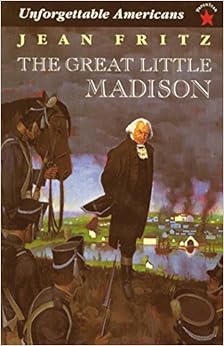
1990 Winner (First Year of Award)


2014 Winner

Newbery Medal

Information about the Newbery Medal


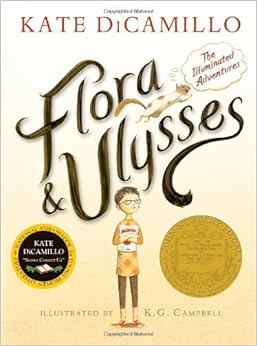
The Newbery Medal is awarded annually by the American Library Association for the most distinguished American children's book published the previous year. On June 22, 1921, Frederic G. Melcher proposed the award to the American Library Association meeting of the Children's Librarians' Section and suggested that it be named for the eighteenth-century English bookseller John Newbery. The idea was enthusiastically accepted by the children's librarians, and Melcher's official proposal was approved by the ALA Executive Board in 1922. In Melcher's formal agreement with the board, the purpose of the Newbery Medal was stated as follows: "To encourage original creative work in the field of books for children. To emphasize to the public that contributions to the literature for children deserve similar recognition to poetry, plays, or novels. To give those librarians, who make it their life work to serve children's reading interests, an opportunity to encourage good writing in this field."

The Newbery Award thus became the first children's book award in the world. Its terms, as well as its long history, continue to make it the best known and most discussed children's book award in this country.

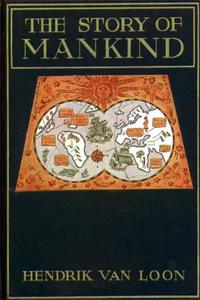
1922 Winner (First Year of Award)


2014 Winner

National Book Award

Information about the National Book Award


Established in 1950, the National Book Award is an American literary prize administered by the National Book Foundation, a nonprofit organization. A pantheon of such writers as William Faulkner, Marianne Moore, Ralph Ellison, John Cheever, Bernard Malamud, Philip Roth, Robert Lowell, Walker Percy, John Updike, Katherine Anne Porter, Norman Mailer, Lillian Hellman, Elizabeth Bishop, Saul Bellow, Donald Barthelme, Flannery O’Connor, Adrienne Rich, Thomas Pynchon, Isaac Bashevis Singer, Alice Walker, Charles Johnson, E. Annie Proulx, and Colum McCann have all won the Award.All books must be published by U.S. publishers located in the United States between December 1, 2013 and November 30, 2014. All authors must be U.S. citizens.

The following are eligible:
  • Full-length books of fiction and nonfiction
  • Collections of short stories and collections of essays by one author
  • Collected and selected poems by one author
  • Books by authors who are living at the commencement of the eligibility year (December 1, 2013)
  • Self-published books, provided that the author/publisher also publishes titles by other authors (Note: the Foundation may request the publisher's catalog to verify this.)

The following are NOT eligible:
  • English translations of books originally written in other languages
  • Anthologies containing work written by multiple authors
  • Reprints of books published in previous Award years. Exceptions may be made for otherwise eligible books published outside the United States in the previous Award year, at the National Book Awards’ discretion.
  • Books published through self-publishing services

2010 Young People's Literature Winner (First Year of Award)

2014 Young People's Literature Winner

Kate Greenaway Medal

Information about the Kate Greenaway Medal


The Kate Greenaway Medal was established in 1955, for distinguished illustration in a book for children. It is named after the popular nineteenth century artist known for her fine children's illustrations and designs.

The CILIP Kate Greenaway Medal is awarded annually for an outstanding book in terms of illustration for children and young people.

The winner receives a golden medal and £500 worth of books to donate to a library of their choice.
  • The book must be published originally for children and young people
  • The book must have received its first publication in the United Kingdom or have had co-publication elsewhere within a three month time lapse
  • All categories of illustrated books for children and young people are eligible
  • Where there is text, it must be written in English or in Dual Language (one of which must be English)
  • Books by previous Kate Greenaway medal winners are eligible
1956 Winner (First Year of Award)


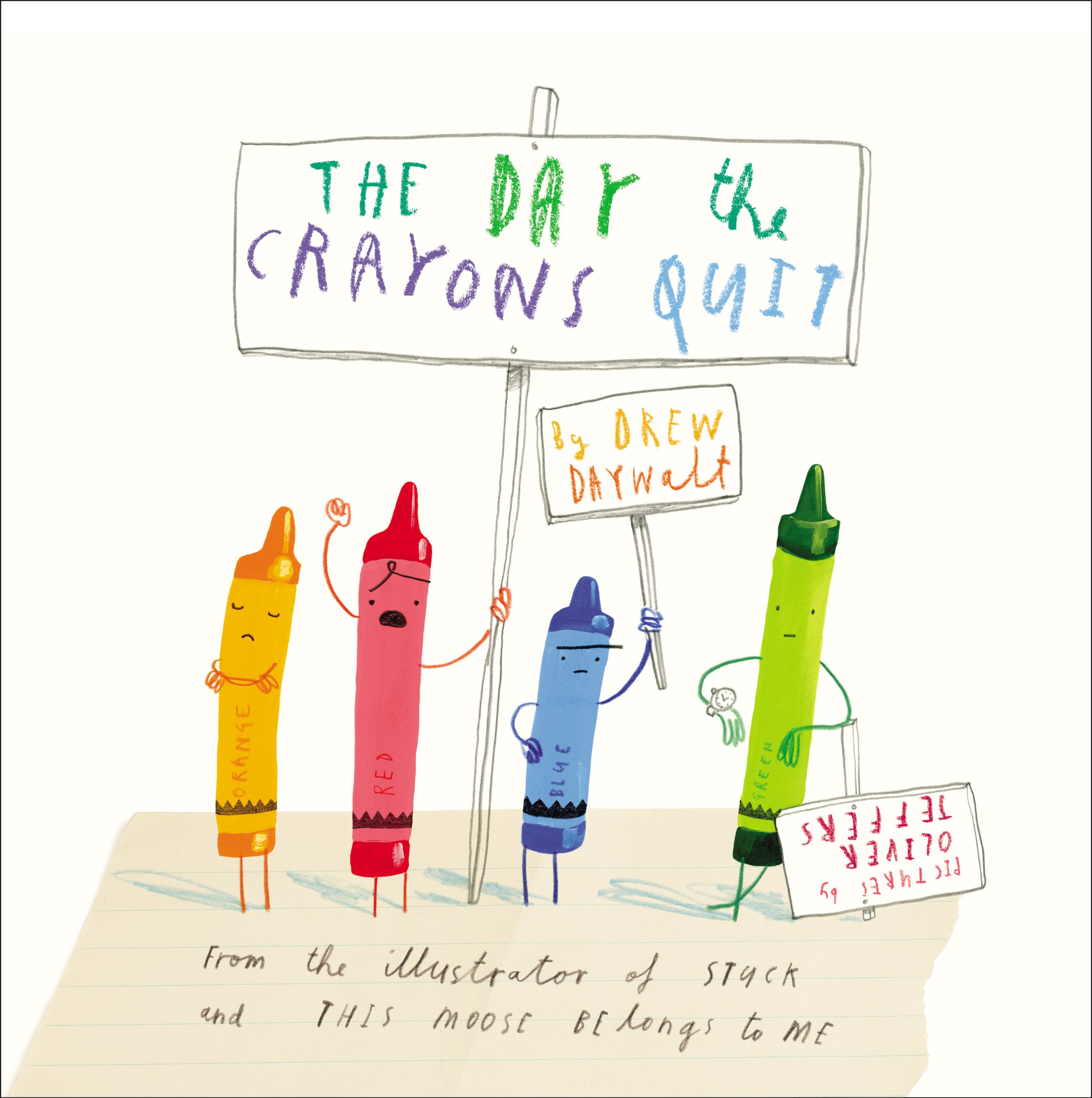
2014 Winner

Ezra Jack Keats Award

Information about the Ezra Jack Keats Award


Known collectively as the Ezra Jack Keats Book Award, the New Writer Award was established in 1985 and the New Illustrator Award in 2001 to recognize and encourage emerging talent in the field of children’s books. Many past winners have gone on to distinguished careers, creating books beloved by parents, children, librarians and teachers around the world.
The EJK Book Award is given annually to an outstanding new writer and new illustrator by the Ezra Jack Keats Foundation. An Honor Books category was added in 2012. A distinguished selection committee of early childhood education specialists, librarians, illustrators and experts in children’s literature reviews the entries, seeking books that portray the universal qualities of childhood, a strong and supportive family, and the multicultural nature of our world. The EJK Book Award was co-presented by the New York Public Library from 1986 to 2011. Since 2012, the de Grummond Children’s Literature Collection has co-presented the award at the Children’s Book Festival, held in April at the University of Southern Mississippi, in Hattiesburg.
To be eligible, writers and illustrators must have had no more than three books previously published. The prize includes an honorarium of $1,000 for each winner.

1986 New Writer Award (First Year of Award)

2014 New Writer Award

2014 New Illustrator Award

Monday, February 16, 2015

E. B. White Read Aloud Award

Information about the E. B. White Read Aloud Award


The E.B. White Read Aloud Awards, established in 2004, honor books that reflect the universal read aloud standards that were created by the work of the author E.B. White in his classic books for children:Charlotte’s Web, Stuart Little, andThe Trumpet of the Swan. In the first two years of the award, a single book was selected.

In 2006, in recognition of the fact that reading aloud is a pleasure at any age, the award was expanded into two categories: Picture Books, and Older Readers.

Books are nominated for their universal appeal as a “terrific” books to read aloud.

A great Read Aloud should:
  • Stand up to reading over and over
  • Have art that works from a distance
  • Allow the reader to take away something (wonder, curiosity, laughter etc)
  • Be a springboard for discussion
  • Be free of excessively squirmy moments
  • Picture books: should work for preschool – 5th grade
  • Older Readers: Should work for family reading both up and down in ages

2004 Winner (First Year of Award)
2014 Picture Book Winner

2014 Winner for Older Readers


Charlotte Zolotow Award

Information about the Charlotte Zolotow Award


The Charlotte Zolotow Award is given annually to the author of the best picture book text published in the United States in the preceding year. Established in 1998, the award is named to honor the work of Charlotte Zolotow, a distinguished children's book editor for 38 years with Harper Junior Books, and author of more than 70 picture books, including such classic works as Mr. Rabbit and the Lovely Present (Harper, 1962) and William's Doll(Harper, 1972). Ms. Zolotow attended the University of Wisconsin in Madison on a writing scholarship from 1933-36 where she studied with Professor Helen C. White.

The award is administered by the Cooperative Children's Book Center, a children's literature library of the School of Education, University of Wisconsin-Madison. Each year a committee of children's literature experts selects the winner from the books published in the preceding year. The winner is announced in January each year. A bronze medallion is formally presented to the winning author in the spring during an annual public event that honors the career of Charlotte Zolotow.

1998 Winner (First Year of Award)


2014 Winner


Young Hoosier Book Award

The 2014-2016 Young Hoosier Award Book List

The Young Hoosier Book Award Committee is composed of members of the Association of Indiana School Library Educators (AISLE), an association of the Indiana Library Federation. Each year, committee members select 20 nominees for each category (Picture Book, Intermediate, Middle Grades) from titles suggested by teachers, students, parents, public librarians, and media specialists. Books must meet the following guidelines to be eligible for consideration:

1974 Winner (First Year of Award)
  • The author of a nominated book will be restricted to one work in any particular year within each category. In the Picture Book category, the illustrator of a nominated book will also be restricted to one work in any particular year.
  • The author of a nominated book must be living and currently residing in the United States. In the Picture Book category, the illustrator of a nominated book must also be living and currently residing in the United States.
  • The book must have been published within the last five (5) years.
  • The book must be in print at the time of selection.
  • The book cannot be a previous nominee.
  • The book cannot be a Caldecott or Newbery Medal winner. Honor books from either of these award categories are acceptable.
2014 Winner--Picture Book

Caldecott Medal

The Caldecott Medal regulations may be found here.


The Caldecott Medal was named in honor of nineteenth-century English illustrator Randolph Caldecott. It is awarded annually by the Association for Library Service to Children, a division of the American Library Association, to the artist of the most distinguished American picture book for children.
  • The Medal shall be awarded annually to the artist of the most distinguished American picture book for children published by an American publisher in the United States in English during the preceding year. There are no limitations as to the character of the picture book except that the illustrations be original work. Honor books may be named. These shall be books that are also truly distinguished.
  • The award is restricted to artists who are citizens or residents of the United States. Books published in a U.S. territory or U.S. commonwealth are eligible.
  • The committee in its deliberations is to consider only books eligible for the award, as specified in the terms.
1938 Winner (First Year of Award)


2015 Winner

Aesop's Prize

The Aesop Prize regulations may be found here.

The Aesop Prize and Aesop Accolades are conferred annually by the Children’s Folklore Section of the American Folklore Society upon English language books for children and young adults, both fiction and nonfiction. Nominated books, which must be published in the year of the deadline or the year before, must be received by committee members no later than August 15. The winning books are announced at the annual meeting of the American Folklore Society each October.

Prize Review Criteria
  • Folklore should be central to the book’s content and, if appropriate, to its illustrations.
  • The folklore presented in the book should accurately reflect the culture and worldview of the people whose folklore is the focus of the book.
  • The reader’s understanding of folklore should be enhanced by the book, as should the book be enhanced by the presence of folklore.
  • The book should reflect the high artistic standards of the best of children’s literature and have strong appeal to the child reader.
  • Folklore sources must be fully acknowledged and annotations referenced within the bound contents of the publication.
1993 Winner (First Year of Award)

2014 Winner


Thursday, February 12, 2015

Banned Children's Books

Why are children's books banned? Which ones are on the list?


Here is a list from the University of Illinois at Urbana-Champaign of banned children's books. The reasons are not given, however.

This is an American Library Association list of the books most often banned.

Banned Books That Shaped America


Big Anthony and the Pasta Pot


Sunday, February 1, 2015

Current Trends?


  • Supernatural is fading: Twilight by Stephenie Meyer published in 2005
  • Dystopian still hot: The Hunger Games by Suzanne Collins published in 2008
  • Diversity: Cultural, gender, experiences
  • Emotional issues: bullying, mental health, survival
  • “Tough Girls”
  • Novels-in-Cartoons
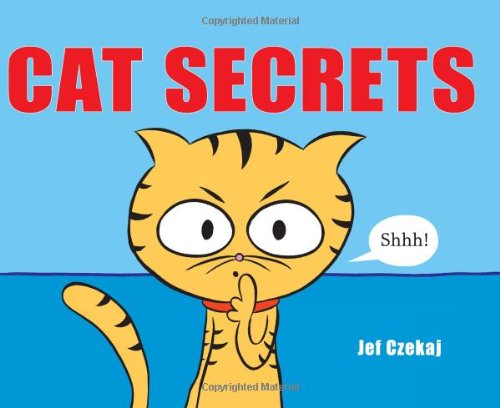
  • Humorous picture books

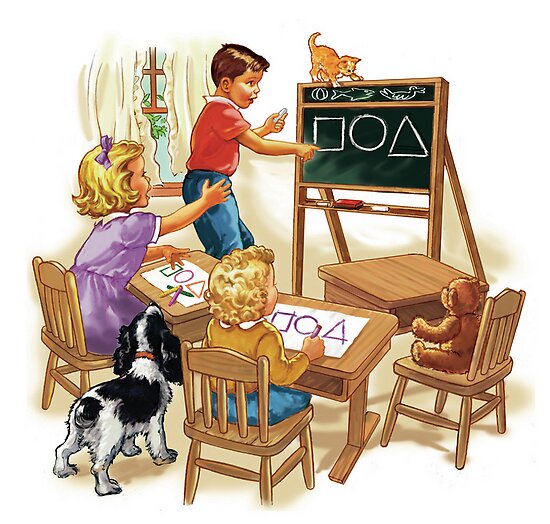
Dick and Jane Primers


  • First published in the 1930s
  • Were in a lawsuit because they are similar to Dick and Dora readers (The Happy Venture Playbooks)
  • Began with learning to read using the whole word or sight word reading method
  • By 4th Grade, used them for Reading to Learn and content became more important
  • Black characters and characters from other races and cultures were not introduced until 1965